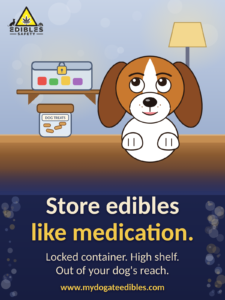
How to Safely Store Edibles in Homes with Dogs
Learn how to store cannabis edibles away from dogs: locked containers, high shelves and household rules that keep THC out of paws’ reach.

Article reviewed for Accuracy by Dr. Rida Asrar.
As cannabis use becomes more widespread, accidental THC (tetrahydrocannabinol) ingestion in dogs has become a rising concern for pet owners and veterinarians. THC, the psychoactive component in cannabis, is highly toxic to dogs, even in small amounts. Although environmental elements including exposure, food, and the availability of cannabis products play major roles in the likelihood of ingestion, genetics also determines how a dog’s body responds to THC. Understanding the genetic components that determine THC toxicity can help pet owners take proactive steps to protect their pets.
THC interacts with the endocannabinoid system (ECS), which is a network of receptors in the body that regulate various physiological processes, including mood, appetite, and pain perception. Dogs are very sensitive to THC because they have a higher density of CB1 receptors in their brains compared to humans. This high sensitivity means that even a small amount of THC can cause severe symptoms, including lethargy, disorientation, vomiting, tremors, and, in extreme cases leads to seizures or coma.
As all dogs are vulnerable to THC toxicity, some breeds and individual dog’s type are more susceptible than others due to genetic differences; that affect their metabolism, body size, and sensitivity to cannabinoids.
Genetics provides a structure for understanding susceptibility; however, environmental influences may worsen or lessen risks. For example, a dog’s nutrition, physical activity level, and overall health status may interact with their genetic makeup. Dogs with underlying health conditions, such as liver disease or obesity, may process THC less effectively, compounding their genetic vulnerabilities.
Additionally, lifestyle factors such as access to cannabis products and owner awareness plays important roles. Dogs living in houses where cannabis is regularly used are more likely to encounter THC, making genetic predispositions a significant concern for these pets.
It is important to understand dog’s genetic makeup that can help you take targeted steps to reduce the risk of THC toxicity. Here are some strategies to protect vulnerable dogs:
As veterinary medicine advances, researchers are exploring how genetic testing can improve the prevention and treatment of THC toxicity in dogs. By identifying genetic markers associated with increased sensitivity to THC, veterinarians may be able to develop breed-specific guidelines for managing exposure risks. In addition, genetic research could lead to the development of personalized treatments for THC toxicity, allowing veterinarians to tailor interventions based on a dog’s unique genetic profile. These advancements could significantly improve outcomes for dogs affected by THC toxicity.
Genetics plays a pivotal role in determining a dog’s vulnerability to THC toxicity, influencing factors such as metabolism, receptor sensitivity, and overall tolerance. While environmental precautions are essential for all dogs, understanding the genetic predispositions of your pet can help you take proactive measures to minimize risks. Combining genetic knowledge with suitable pet care methods can keep your dog safe and healthy in a world where cannabis use is becoming more popular.







Learn how to store cannabis edibles away from dogs: locked containers, high shelves and household rules that keep THC out of paws’ reach.

Everyday items like chocolate, cleaning supplies and charger cords can harm dogs. Learn four household dangers to check and how to spot them.

Pet owners who suspect their dog has ingested cannabis may wonder if inducing vomiting is a safe and effective first response. This essay explores when and how to make a dog vomit safely, and when it is advisable to seek veterinary assistance instead.

All of our articles are arranged by helpful topics including:
Veterinary Care & Emergency Response
CBD and Its Benefits
THC Toxicity & Its Risks for Dogs
Prevention & Awareness
Cannabis Trends & Owner Awareness
Practical Guidance for Pet Owners
Supplementary Information

Cannabidiol (CBD) has become a viable choice for treating pain, anxiety, inflammation, and other ailments as pet owners look for natural ways to support their pets’ health.
Step by step procedures if your dog ate edibles and you can call your veterinarian.