
How to Safely Store Edibles in Homes with Dogs
Learn how to store cannabis edibles away from dogs: locked containers, high shelves and household rules that keep THC out of paws’ reach.

Article reviewed for Accuracy by Dr. Rida Asrar.

As cannabis products become more widely available, pet owners may find themselves facing a situation they never expected: their dog accidentally ingesting THC (tetrahydrocannabinol), one of the psychoactive compounds in marijuana. So, understanding the symptoms, duration, and treatment for THC toxicity in dogs is crucial for pet owners who wants to ensure their furry friends safe.
THC is the active component in marijuana. Dogs are more sensitive to THC than humans due to metabolic differences and the structure of their endocannabinoid system. THC toxicity occurs when dogs consume marijuana directly in the form of edibles, dried cannabis, or discarded joints.
Edibles are especially prone to accidental ingestion as they frequently contain other appealing ingredients such as chocolate or peanut butter, which can aggravate the toxicity by introducing additional dangerous substances.
Diagnostic signs usually appear within 30 minutes to 2 hours after ingestion. These symptoms can range from mild to severe, depending on the amount ingested and the size of the dog. Common symptoms include:
The majority of cases of THC intoxication are not lethal but the symptoms can be distressing for both dog and its owner. In rare case, extreme ingestion of THC could be life threatening
The duration of THC toxicity in dogs varies depending on several factors, including the amount consumed, the dog’s size, and individual metabolism. Symptoms typically last 12 to 24 hours, however in some circumstances they might linger up to 36 hours. THC’s fat-soluble nature permits it to persist in the body’s tissues for longer period.
Small dogs when consume high doses of THC, such as concentrated edibles, can experience long lasting severe symptoms. Additionally, the presence of other ingredients, like chocolate or xylitol, can exacerbate the situation and potentially prolong recovery time.
Understanding the toxicity of THC in dogs is essential for comprehending why they are so susceptible to its effects. THC interacts with the endocannabinoid system, which is a network of receptors that regulate physiological processes like mood, appetite, and pain. Dogs have a higher concentration of CB1 receptors in their brains than humans, making them more sensitive to THC’s intoxicating effects.
When ingested, THC is metabolized in the liver and stored in fatty tissues before being slowly released into the bloodstream. This gradual release contributes to the long-term effects of THC toxicity in dogs. Additionally, THC metabolites are excreted through urine and feces, but the process can take longer in dogs due to their slower metabolic rate.
The toxic dose of THC varies greatly with the dog’s size, age, and overall health. Even small amounts of THC can cause notable effects in dogs, with doses above 3 mg/kg potentially resulting in severe toxicity. Edibles often pose a greater risk due to their high THC concentration and other harmful ingredients.
Once at the veterinary clinic, your dog will most likely be examined thoroughly to assess their condition. The veterinarian may perform tests to rule out other causes of the symptoms and confirm THC toxicity.
Treatment is usually supportive and aims to manage symptoms until the dog’s body metabolizes and eliminates the THC. Common treatments include:
Most dogs recover fully with appropriate care, but the recovery process may take several hours to a few days, depending on the severity of the toxicity.
Prevention is the best way to protect your dog from THC toxicity. Here are some tips:
THC toxicity in dogs is a preventable but serious condition that can cause distressing symptoms and prolonged recovery times. While the symptoms usually resolve within 12 to 36 hours, timely veterinary attention is required to ensure your dog’s safety and comfort. By taking proactive measures to store cannabis products securely and staying informed about the risks, you can help safeguard your furry friend from accidental ingestion.







Learn how to store cannabis edibles away from dogs: locked containers, high shelves and household rules that keep THC out of paws’ reach.

Everyday items like chocolate, cleaning supplies and charger cords can harm dogs. Learn four household dangers to check and how to spot them.

Pet owners who suspect their dog has ingested cannabis may wonder if inducing vomiting is a safe and effective first response. This essay explores when and how to make a dog vomit safely, and when it is advisable to seek veterinary assistance instead.

All of our articles are arranged by helpful topics including:
Veterinary Care & Emergency Response
CBD and Its Benefits
THC Toxicity & Its Risks for Dogs
Prevention & Awareness
Cannabis Trends & Owner Awareness
Practical Guidance for Pet Owners
Supplementary Information

Cannabidiol (CBD) has become a viable choice for treating pain, anxiety, inflammation, and other ailments as pet owners look for natural ways to support their pets’ health.
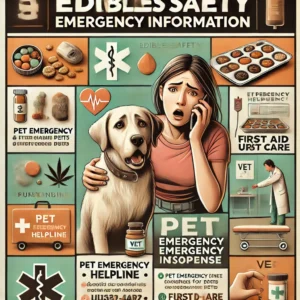
Step by step procedures if your dog ate edibles and you can call your veterinarian.