How to Safely Store Edibles in Homes with Dogs
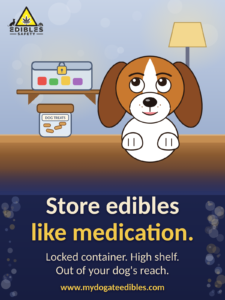
Learn how to store cannabis edibles away from dogs: locked containers, high shelves and household rules that keep THC out of paws’ reach.

Article reviewed for accuracy by Dr. Asmat Khan.

As cannabis legalization becomes more widespread, pet owners are increasingly encountering situations where their animals accidentally ingest marijuana. A 2021 survey of veterinarians in Canada and the United States found that reported cases of cannabis poisoning in pets rose significantly after October 2018. This can lead to significant health concerns and costly veterinary care. Pet insurance is emerging as a potential safety net for pet owners facing unexpected medical bills, including those related to marijuana toxicity. Understanding how pet insurance works in these scenarios can help owners make informed decisions about protecting their pets and their finances.
Marijuana toxicity, primarily caused by the ingestion of tetrahydrocannabinol (THC), poses a serious risk to pets, especially dogs. THC affects animals differently than humans, often resulting in symptoms such as lethargy, vomiting, tremors, loss of coordination, and in severe cases, seizures or coma. The rise in availability of cannabis products—edibles, oils, and even discarded plant material—has contributed to an increase in cases of accidental ingestion.
Veterinary care for marijuana toxicity can range from a simple examination to more intensive treatments like IV fluid therapy, activated charcoal administration, anti-nausea medications and continuous monitoring. Costs can quickly add up, leaving pet owners with hefty bills that they might not be prepared for.
Pet insurance can be a financial lifeline for unexpected veterinary expenses, including those related to marijuana toxicity. However, coverage depends on the specific policy and the circumstances surrounding the incident. Here are some key factors to consider:

Selecting a pet insurance policy that provides adequate coverage for unexpected incidents, including marijuana toxicity, requires careful consideration. Here are some tips for choosing the right plan:

Real-world scenarios can illustrate how pet insurance can make a difference. Consider the following cases:

The cost of treating marijuana toxicity can range from a few hundred to several thousand dollars, depending on the severity of the case and the required interventions. Without insurance, these expenses can place a significant financial burden on pet owners, potentially delaying or limiting the care their pets receive.
Pet insurance provides peace of mind by ensuring that owners can focus on their pet’s recovery rather than worrying about finances. It also encourages prompt medical attention, which can be critical in emergencies.
While pet insurance can mitigate the financial impact of marijuana toxicity, prevention is always the best strategy. Pet owners should:
As marijuana-related veterinary cases rise, the role of pet insurance in covering these incidents becomes increasingly important. By choosing the right policy and understanding the terms of coverage, pet owners can safeguard their finances and ensure their pets receive the care they need. In combination with preventive measures, pet insurance offers a valuable safety net in an ever-evolving landscape of pet health challenges.
Learn how to store cannabis edibles away from dogs: locked containers, high shelves and household rules that keep THC out of paws’ reach.
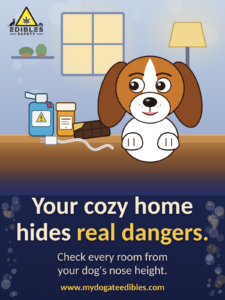
Everyday items like chocolate, cleaning supplies and charger cords can harm dogs. Learn four household dangers to check and how to spot them.

Pet owners who suspect their dog has ingested cannabis may wonder if inducing vomiting is a safe and effective first response. This essay explores when and how to make a dog vomit safely, and when it is advisable to seek veterinary assistance instead.

All of our articles are arranged by helpful topics including:
Veterinary Care & Emergency Response
CBD and Its Benefits
THC Toxicity & Its Risks for Dogs
Prevention & Awareness
Cannabis Trends & Owner Awareness
Practical Guidance for Pet Owners
Supplementary Information

Cannabidiol (CBD) has become a viable choice for treating pain, anxiety, inflammation, and other ailments as pet owners look for natural ways to support their pets’ health.
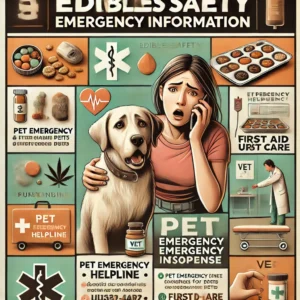
Step by step procedures if your dog ate edibles and you can call your veterinarian.