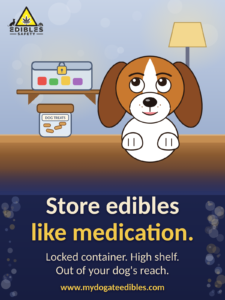
How to Safely Store Edibles in Homes with Dogs
Learn how to store cannabis edibles away from dogs: locked containers, high shelves and household rules that keep THC out of paws’ reach.

Article reviewed for Accuracy by Dr. Asmat Khan.

Dogs have an incredible sense of smell, often regarded as their superpower. This ability has been widely utilized in various settings, from search-and-rescue missions to law enforcement. Among the substances dogs can detect is marijuana, a fact that holds significant implications for dog owners and cannabis users and handlers alike. Understanding the nuances of a dog’s olfactory system and recognizing the potential dangers marijuana poses to dogs is essential for promoting their safety and well-being. This article explores how dogs detect marijuana, why it can be harmful to them, and the practical steps pet owners can take to ensure their pets remain safe.
Dogs possess up to 300 million olfactory receptors in their noses, compared to approximately 5 million in humans. This superior sense of smell allows them to detect substances at concentrations as low as parts per trillion, far beyond human can perceive. Trained detection dogs, often referred to as “drug-sniffing dogs,” are specifically conditioned to identify marijuana by recognizing its distinct scent profile.
Cannabis contains various terpenes and compounds that contribute to its distinct aroma. Even when marijuana is stored in airtight containers, its smell can often seep through because of its potent chemical composition. Dogs, with their acute sense of smell, can easily pick up on these odors. This remarkable ability has made dogs invalubable in drug detections , particularly in airports, public spaces, and borders, where they can efficiently locate hidden substances.
While humans may use marijuana recreationally or medicinally, it can be dangerous and life threatening for dogs. Cannabis exposure in dogs typically occurs through ingestion, though inhalation of secondhand smoke is also a potential risk. The primary psychoactive component in marijuana, tetrahydrocannabinol (THC), is toxic to dogs. Because their bodies process THC differently from humans, dogs are more sensitive to to its effects leading to heightened risk of adverse reactions.
Common symptoms of marijuana toxicity in dogs include lethargy, vomiting, loss of coordination, drooling, tremors, and in severe cases, seizures or coma. Even a small amount of THC can be enough to cause significant distress in a dog, especially in smaller breeds or those with underlying health issues. Furthermore, edibles containing marijuana often pose a double threat. Beyond THC, they frequently include other harmful ingredients such as chocolate, xylitol, or high-fat content, which can compound the risks to dogs.
As marijuana legalization becomes more widespread, the chances of accidental exposure for dogs have increased. In states where recreational cannabis is legal, veterinary professionals have reported a notable rise in cases of marijuana poisoning in pets. This surge underscores the need for extra caution among pet owners.
Public spaces like parks and sidewalks may contain discarded cannabis products or residues that curious dogs can easily ingest. Additionally, with the rise in home cannabis cultivation and edible production, the risk of dogs accessing these items indoors has grown. To keep pets safe, its essential for owners to store marijuana products securely in child proof or pet-proof containers and remain vigilant during outdoor activities.
Even beyond the direct risk of toxicity, dogs’ ability to smell marijuana can lead to unintended consequences. For example, dogs trained to detect drugs may inadvertently alert law enforcement to legal or medical cannabis possession, potentially causing unnecessary complications for their owners. Additionally, untrained household pets may unintentionally consume marijuana products out of curiosity, putting their health in jeopardy.
Another critical consideration is the impact of secondhand cannabis smoke. While less potent than direct ingestion, inhaling marijuana smoke can still affect a dog’s respiratory system and cause mild symptoms of intoxication. This risk is especially concerning in confined spaces like apartments or cars, where ventilation may be limited. Ensuring proper ventilation and keeping pets away from smoking areas can help reduce these risks.
Preventing marijuana exposure in dogs requires proactive measures and responsible behavior. Here are some practical steps to safeguard your pet:

Dogs’ remarkable sense of smell enables them to detect marijuana, a fact that carries both practical applications and potential dangers. While this ability is harnessed effectively by law enforcement, it presents challenges for dog owners who must be vigilant in protecting their pets from exposure. Marijuana can be highly toxic to dogs, and as its availability increases, so too does the risk of accidental ingestion. By understanding these risks and taking proactive steps, pet owners can ensure their furry companions remain safe, healthy, and happy. Ultimately, caution and responsibility are key to navigating the complex relationship between dogs and marijuana.




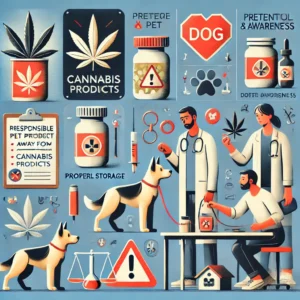


Learn how to store cannabis edibles away from dogs: locked containers, high shelves and household rules that keep THC out of paws’ reach.
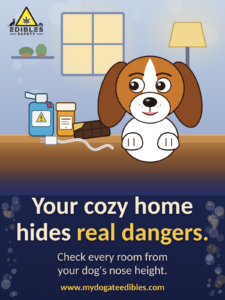
Everyday items like chocolate, cleaning supplies and charger cords can harm dogs. Learn four household dangers to check and how to spot them.

Pet owners who suspect their dog has ingested cannabis may wonder if inducing vomiting is a safe and effective first response. This essay explores when and how to make a dog vomit safely, and when it is advisable to seek veterinary assistance instead.

All of our articles are arranged by helpful topics including:
Veterinary Care & Emergency Response
CBD and Its Benefits
THC Toxicity & Its Risks for Dogs
Prevention & Awareness
Cannabis Trends & Owner Awareness
Practical Guidance for Pet Owners
Supplementary Information

Cannabidiol (CBD) has become a viable choice for treating pain, anxiety, inflammation, and other ailments as pet owners look for natural ways to support their pets’ health.
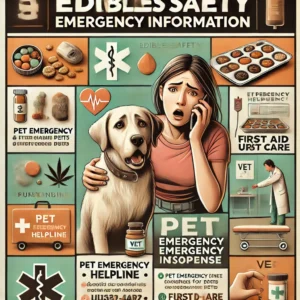
Step by step procedures if your dog ate edibles and you can call your veterinarian.