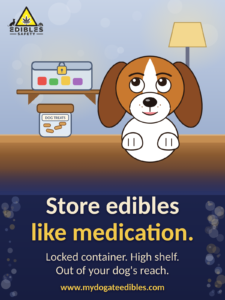
How to Safely Store Edibles in Homes with Dogs
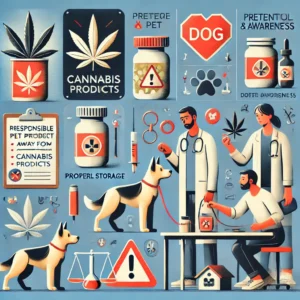
Learn how to store cannabis edibles away from dogs: locked containers, high shelves and household rules that keep THC out of paws’ reach.

Article reviewed for Accuracy by Dr. Asmat Khan.

The cannabis industry has experienced rapid growth and diversification, with products ranging from oils and edibles to beverages and topicals. While these innovations have opened new doors for human wellness, they also pose unique challenges for pet owners. As the market expands, understanding the risks, benefits, and safe practices surrounding cannabis and pets has become crucial. This article explores the latest cannabis trends, their potential impact on pets, and what every responsible owner should know.
Cannabis legalization in many regions has led to an explosion of cannabis-based products designed for both recreational and medicinal use. The market now includes:
While these products have been developed with humans in mind, their availability increases the risk of accidental ingestion by pets, particularly dogs, who are curious and often drawn to edible items.Pet poisoning cases frequently involve edibles containing chocolate or xylitol—both of which are highly toxic to dogs.
The pet industry has also embraced cannabis, introducing a range of products aimed at improving pet wellness. These include:
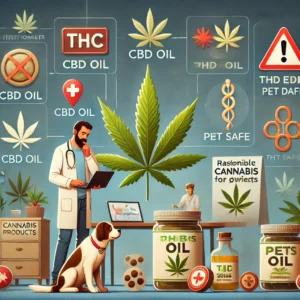
While CBD (cannabidiol) is non-psychoactive and considered safer for pets, its rapid market growth has raised questions about regulation, quality, and appropriate use. The lack of regulation, inconsistent labeling, and potential contamination with THC or other harmful substances. Pet owners should prioritize products that are veterinarian-approved, third-party tested, and clearly labeled with dosing guidelines.
Tetrahydrocannabinol (THC), the psychoactive compound in cannabis, is toxic to pets. Unlike humans, dogs and cats are more sensitive to THC due to their unique endocannabinoid systems. Even small amounts can lead to severe symptoms, including:
Accidental ingestion of cannabis edibles is particularly dangerous, as these products often contain additional harmful ingredients like chocolate or xylitol. If your pet exhibits these symptoms, seek immediate veterinary care. Activated charcoal or induced vomiting may be recommended by your veterinarian depending on the situation.
The cannabis industry is leaning toward products with higher concentrations of THC and CBD, catering to consumers seeking stronger effects or therapeutic benefits. However, this increase in potency raises the stakes for pets:
Microdosing—consuming small, controlled amounts of THC or CBD—has gained popularity among cannabis users seeking subtle therapeutic effects without intoxication. This trend has influenced pet-specific products, encouraging tailored dosing for pets.

Cannabis-infused drinks, such as teas, sodas, and sparkling waters, have become popular for their convenience and controlled dosing. While they offer a new consumption method for humans, they introduce risks for pets.
The rise of DIY cannabis recipes and kits allows users to create their own edibles, oils, and topicals. While these products offer customization and cost savings for humans, they often lack precise dosing and quality controls.
The growing normalization of cannabis has led to increased consumption in public areas like parks, beaches, and outdoor events. While this trend reflects broader societal acceptance, it poses unique dangers for pets.
If you’re considering cannabis-based products for your pet, follow these guidelines:

The cannabis industry is still evolving, and regulation varies widely across regions. In many areas, pet-specific cannabis products fall into a legal gray zone. Lack of standardization means pet owners must be vigilant about product quality. Checking labels, certifications, and reviews can help ensure you’re making informed decisions. Reviewing certifications like USDA Organic or GMP compliance can help identify safer options.
As research on cannabis and pets advances, the market is likely to see:
The cannabis industry’s rapid growth brings both opportunities and challenges for pet owners. While cannabis products hold promise for enhancing pet wellness, they also pose significant risks if misused or accidentally ingested. By staying informed about emerging trends, understanding the unique needs of pets, and prioritizing safety, owners can navigate this evolving landscape responsibly. With proper precautions, you can ensure your furry friends remain safe while benefiting from the therapeutic potential of cannabis-based products.


Learn how to store cannabis edibles away from dogs: locked containers, high shelves and household rules that keep THC out of paws’ reach.

Everyday items like chocolate, cleaning supplies and charger cords can harm dogs. Learn four household dangers to check and how to spot them.

Pet owners who suspect their dog has ingested cannabis may wonder if inducing vomiting is a safe and effective first response. This essay explores when and how to make a dog vomit safely, and when it is advisable to seek veterinary assistance instead.

All of our articles are arranged by helpful topics including:
Veterinary Care & Emergency Response
CBD and Its Benefits
THC Toxicity & Its Risks for Dogs
Prevention & Awareness
Cannabis Trends & Owner Awareness
Practical Guidance for Pet Owners
Supplementary Information

Cannabidiol (CBD) has become a viable choice for treating pain, anxiety, inflammation, and other ailments as pet owners look for natural ways to support their pets’ health.
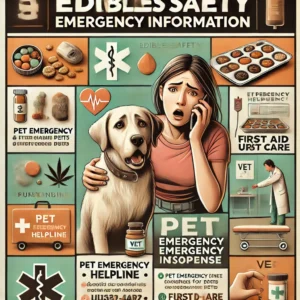
Step by step procedures if your dog ate edibles and you can call your veterinarian.