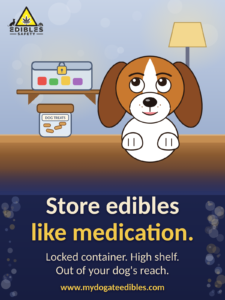
How to Safely Store Edibles in Homes with Dogs
Learn how to store cannabis edibles away from dogs: locked containers, high shelves and household rules that keep THC out of paws’ reach.

Article reviewed for Accuracy by Dr. Asmat Khan.

While many dogs recover fully from THC toxicity with no lasting effects, there is evidence suggesting that severe or repeated exposures may lead to long-term health risk in the dogs with underlying health issues. These potential effects include:
Prolonged or repeated THC exposure may affect a dog’s nervous system, leading to lingering signs of disorientation or altered behavior. Severe toxicity may cause brain damage, resulting in permanent deficits however long-term neurological damage is rare
Even after physical recovery, some dogs may display anxiety or fear in situations associated with their exposure. For example, a dog that experienced THC toxicity after eating an edible might become wary of certain foods or kitchen environments. Behavioral changes to watch for include:
Repeated exposure to THC or other cannabis products may lead to chronic digestive problems, particularly if the ingested items contain harmful ingredients like chocolate or artificial sweeteners. Symptoms to monitor include:
High doses of THC can elevate heart rates and cause arrhythmias in dogs. While these symptoms often resolve after treatment, severe cases might leave dogs with long-term cardiovascular vulnerabilities, especially if they have preexisting conditions, however no studies have stated any long term cardiovascular issue with THC.

Pet owners whose dogs have experienced THC toxicity should closely monitor them during recovery and in the weeks or months afterward. Signs to watch for include:

The best way to avoid long-term effects of THC toxicity is prevention. Here are some tips to keep your dog safe:
Seeking Veterinary Guidance
For pet owners concerned about the long-term effects of THC toxicity, regular veterinary checkups are essential. A veterinarian can:
In some cases, consulting a veterinary neurologist or behaviorist may be necessary for specialized care.
While most dogs recover from THC toxicity without lasting harm, severe or repeated exposures can lead to long-term effects, including neurological, behavioral, or physical health issues. Pet owners must remain vigilant during recovery and seek veterinary guidance to address any concerns. Prevention remains the most effective strategy to protect dogs from THC toxicity, ensuring their safety and well-being in an increasingly cannabis-friendly world. By understanding the risks and taking proactive steps, pet owners can provide a secure and healthy environment for their four-legged companions.






Learn how to store cannabis edibles away from dogs: locked containers, high shelves and household rules that keep THC out of paws’ reach.
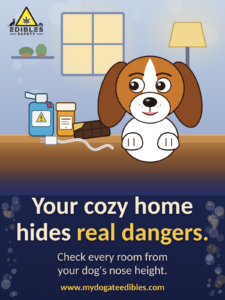
Everyday items like chocolate, cleaning supplies and charger cords can harm dogs. Learn four household dangers to check and how to spot them.

Pet owners who suspect their dog has ingested cannabis may wonder if inducing vomiting is a safe and effective first response. This essay explores when and how to make a dog vomit safely, and when it is advisable to seek veterinary assistance instead.

All of our articles are arranged by helpful topics including:
Veterinary Care & Emergency Response
CBD and Its Benefits
THC Toxicity & Its Risks for Dogs
Prevention & Awareness
Cannabis Trends & Owner Awareness
Practical Guidance for Pet Owners
Supplementary Information

Cannabidiol (CBD) has become a viable choice for treating pain, anxiety, inflammation, and other ailments as pet owners look for natural ways to support their pets’ health.
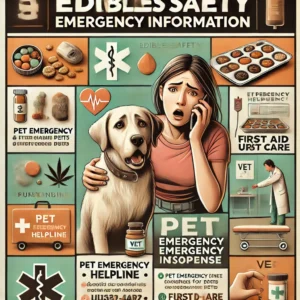
Step by step procedures if your dog ate edibles and you can call your veterinarian.