
How to Safely Store Edibles in Homes with Dogs
Learn how to store cannabis edibles away from dogs: locked containers, high shelves and household rules that keep THC out of paws’ reach.


Article reviewed for Accuracy by Dr. Rida Asrar.

Epilepsy is a neurological disorder that affects not only humans but also animals, including dogs. For canine diagnosed with epilepsy, seizures can be a distressing and challenging condition to manage for their owners. While traditional medications such as phenobarbital and potassium bromide have long been the cornerstone of treatment, they are not without side effects and limitations. In recent years, cannabidiol (CBD), a non-psychoactive compound derived from the cannabis plant, has emerged as a potential alternative for managing seizures in dogs. This article evaluates the role of CBD in treating canine epilepsy, exploring its mechanism of action, effectiveness, safety, and potential challenges.
Epilepsy in dogs is characterized by recurrent seizures caused by abnormal electrical activity in the brain. The severity of these seizures can vary from minor episodes, like brief unconsciousness, to severe grand mal seizures, which include convulsions and unconsciousness.
The condition can be idiopathic (with no identifiable cause) or secondary to underlying issues such as brain trauma, infections, or toxins.
Traditional anti-epileptic drugs (AEDs) aim to control seizure frequency and severity but are not always effective for all dogs. Some dogs experience drug-resistant epilepsy, while others suffer from significant side effects such as lethargy, weight gain, liver damage, or behavioral changes.
Alternative treatments like CBD, which may provide relief with fewer side effects, have gained attention as a result.
CBD interacts with the endocannabinoid system (ECS), a complex network of receptors, enzymes, and signaling molecules in humans and animals. The ECS role is critical in maintaining homeostasis and regulating functions such as pain perception, mood, appetite, and neuronal activity. CBD primarily affects CB1 and CB2 receptors in the ECS, influencing the release of neurotransmitters and modulating neuronal excitability.
In the context of epilepsy, CBD is thought to reduce the hyperexcitability of neurons that trigger seizures. Research suggests that CBD also has anti-inflammatory and neuroprotective properties, which may further benefit dogs with epilepsy by reducing brain inflammation and oxidative stress associated with seizures. Unlike tetrahydrocannabinol (THC), the psychoactive component of cannabis, CBD does not produce a “high,” making it a safer option for pets.
Although studies on the effects of CBD on canine epilepsy are still in their infancy, preliminary findings and anecdotal reports point to encouraging outcomes. One notable study conducted by researchers at Colorado State University evaluated the efficacy of CBD in dogs with epilepsy. The study found that approximately 89% of the dogs treated with CBD experienced a reduction in seizure frequency.
Another study published in the Frontiers in Veterinary Science journal demonstrated similar findings, reported that CBD oil reduced seizure frequency in dogs as an adjunctive treatment alongside conventional AEDs. Pet owners involved in these studies often reported improved alertness, energy levels, and overall well-being in their dogs.
The generally positive safety profile of CBD is one of its primary advantages. Most studies have reported mild and manageable side effects, such as diarrhea, changes in appetite, or drowsiness. Unlike THC, which can be toxic to dogs, CBD appears to be well-tolerated even at higher doses.
However, it is essential to note that CBD may interact with other medications, including AEDs, by affecting their metabolism in the liver. This emphasizes how crucial it is to speak with a veterinarian before adding CBD to a dog’s treatment plan. Additionally, the lack of standardized dosing guidelines for CBD in dogs presents a challenge, requiring careful monitoring and adjustment to determine the optimal dosage.
Despite its potential, the use of CBD in treating canine epilepsy faces several challenges:
For pet owners considering CBD for their epileptic dogs, the following best practices are recommended:
CBD holds significant importance for the treatment of canine epilepsy, offering a potential alternative for dogs with drug-resistant seizures or severe side effects from traditional AEDs. By interacting with the endocannabinoid system, CBD may help reduce seizure frequency, improve quality of life, and provide neuroprotective benefits. However, the lack of regulatory oversight, limited research, and challenges in dosing highlight the need for caution and veterinary guidance.
As research into CBD continues to grow, it may pave the way for more effective and accessible treatments for canine epilepsy, ultimately improving the lives of dogs and their owners alike. Until then, pet owners and veterinarians must work together to navigate the complexities of CBD therapy, ensuring safe and responsible use for our four-legged companions.








Learn how to store cannabis edibles away from dogs: locked containers, high shelves and household rules that keep THC out of paws’ reach.

Everyday items like chocolate, cleaning supplies and charger cords can harm dogs. Learn four household dangers to check and how to spot them.

Pet owners who suspect their dog has ingested cannabis may wonder if inducing vomiting is a safe and effective first response. This essay explores when and how to make a dog vomit safely, and when it is advisable to seek veterinary assistance instead.

All of our articles are arranged by helpful topics including:
Veterinary Care & Emergency Response
CBD and Its Benefits
THC Toxicity & Its Risks for Dogs
Prevention & Awareness
Cannabis Trends & Owner Awareness
Practical Guidance for Pet Owners
Supplementary Information

Cannabidiol (CBD) has become a viable choice for treating pain, anxiety, inflammation, and other ailments as pet owners look for natural ways to support their pets’ health.
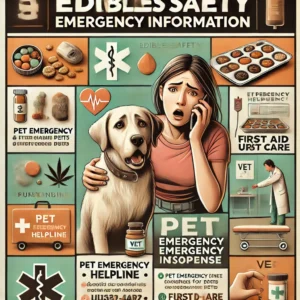
Step by step procedures if your dog ate edibles and you can call your veterinarian.