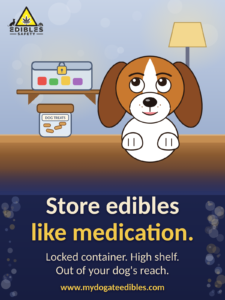
How to Safely Store Edibles in Homes with Dogs
Learn how to store cannabis edibles away from dogs: locked containers, high shelves and household rules that keep THC out of paws’ reach.
Article reviewed for Accuracy by Dr. Asmat Khan.

As cannabis legalization spreads globally, veterinarians are increasingly encountering cases of THC (tetrahydrocannabinol) toxicity in pets, particularly dogs. THC, the psychoactive component in cannabis, can cause severe health issues in dogs, including lethargy, disorientation, vomiting, and even seizures. While veterinarians are equipped to manage these medical emergencies, the question of veterinarian-client confidentiality is a critical yet often overlooked aspect of these cases. Pet owners often hesitate to disclose cannabis exposure due to fear of legal repercussions, embarrassment, or stigma, which can hinder effective treatment. This essay explores the concept of veterinarian-client confidentiality and how it applies to cases involving THC toxicity, highlighting its importance for pet welfare and ethical veterinary practice.
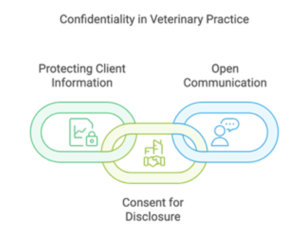
Veterinarian-client confidentiality is the ethical and legal principle that a veterinarian must keep a client’s information private unless consent is given to disclose it. Similar to doctor-patient confidentiality, this principle ensures that clients feel comfortable sharing sensitive information about their pet’s health and environment, enabling accurate diagnoses and effective treatment. While confidentiality laws vary across jurisdictions, the American Veterinary Medical Association (AVMA) and other professional bodies uphold it as a cornerstone of ethical veterinary practice.
Cases of THC toxicity in dogs often arise from accidental ingestion of edibles, cannabis plants, or residues from smoking. Symptoms can include disorientation, ataxia (loss of coordination), vomiting, tremors, and in severe cases, seizures or coma. Effective treatment depends on the veterinarian knowing the cause of the toxicity, as prompt and accurate interventions—such as inducing vomiting, administering activated charcoal, or providing IV fluids—are crucial. Inducing vomiting is typically effective if the ingestion occurred within two hours. However, this approach is avoided if the pet is disoriented or unconscious due to the risk of aspiration.
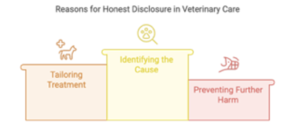
Despite the importance of disclosure, pet owners often reluctant to share information about cannabis exposure due to various concerns:
Veterinarians must navigate these challenges while maintaining professional and ethical standards, ensuring the pet receives timely care without compromising client trust.
Veterinarian-client confidentiality laws vary by jurisdiction. In some areas, veterinarians are legally required to report cases of animal abuse or neglect, which could include repeated exposure to harmful substances like THC. However, most cases of THC toxicity are accidental and do not meet the threshold for neglect.
To navigate these complexities, veterinarians should:
Even when not legally mandated, veterinarians have an ethical responsibility to prioritize the pet’s welfare while respecting the client’s confidentiality. Open communication is essential to building trust and ensuring clients feel safe providing necessary information.
To balance ethical and legal considerations while ensuring effective care, veterinarians can adopt the following practices:
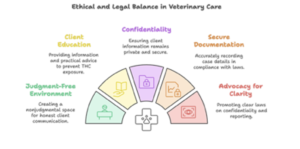
Veterinarian-client confidentiality is not just a legal requirement; it is a foundation of trust that empowers clients to share vital information. In THC toxicity cases, this trust can mean the difference between effective treatment and delayed care. By fostering open communication and maintaining confidentiality, veterinarians can ensure that pets receive the care they need without compromising client relationships.
As THC toxicity cases become more common, veterinarians must navigate the complex intersection of medical care, legal obligations, and client trust. Veterinarian-client confidentiality plays a crucial role in encouraging honest disclosure, enabling effective treatment, and fostering long-term trust between veterinarians and pet owners. By adhering to ethical guidelines, maintaining a judgment-free approach, and staying informed about local laws, veterinarians can ensure the best outcomes for both pets and their owners in these increasingly relevant cases.

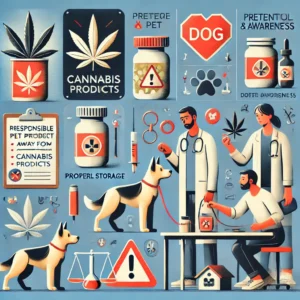
Learn how to store cannabis edibles away from dogs: locked containers, high shelves and household rules that keep THC out of paws’ reach.
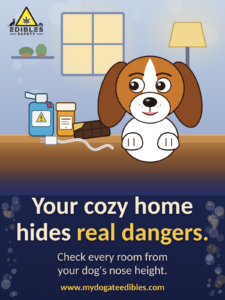
Everyday items like chocolate, cleaning supplies and charger cords can harm dogs. Learn four household dangers to check and how to spot them.

If your dog may have eaten cannabis, do not make your dog vomit on your own. Call your veterinarian or poison control first. This page explains why.

All of our articles are arranged by helpful topics including:
Veterinary Care & Emergency Response
CBD and Its Benefits
THC Toxicity & Its Risks for Dogs
Prevention & Awareness
Cannabis Trends & Owner Awareness
Practical Guidance for Pet Owners
Supplementary Information
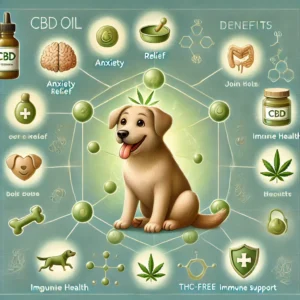
Cannabidiol (CBD) has become a viable choice for treating pain, anxiety, inflammation, and other ailments as pet owners look for natural ways to support their pets’ health.
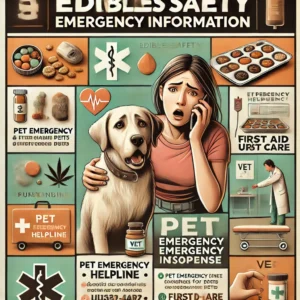
Step by step procedures if your dog ate edibles and you can call your veterinarian.